Skip to content

Longspan Shelving Inspections

A longspan shelving inspection checks the condition and safety of your shelving system, including uprights, beams, shelves, locking devices and overall stability. You receive a clear inspection report with photographs, risk findings and practical recommendations for any required action.
REQUEST FOR A RACKING INSPECTION QUOTE

Longspan Shelving Safe and Ready for Daily Use!

What is a longspan shelving inspection?

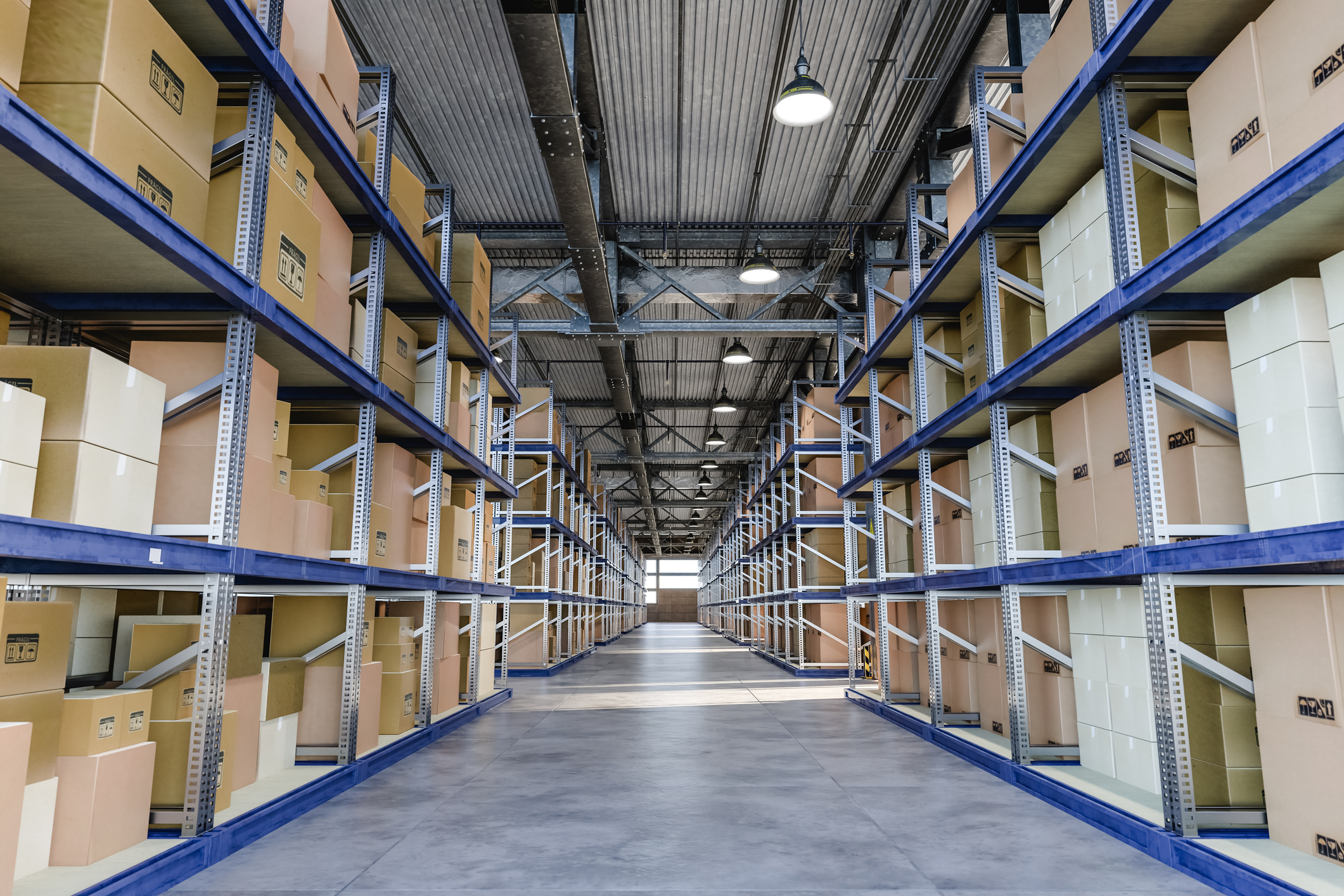
Longspan shelving is widely used in warehouses, stockrooms, workshops, retail storage areas, and distribution centres for storing medium to heavy loads. Although designed for strength and durability, shelving can become damaged through everyday use, accidental impacts, overloading, or incorrect installation.

A longspan shelving inspection is a detailed assessment of your shelving system to ensure it remains structurally sound, safe to use, and suitable for the loads it carries. Our inspectors carefully examine every major component, identifying defects that could affect the stability or performance of the shelving.

Unlike routine in-house checks, an independent inspection provides an objective assessment by a qualified specialist. We identify visible damage, missing components, overloaded shelves, and installation issues before they develop into more serious safety concerns.

Following the inspection, you’ll receive a comprehensive report with clear findings, photographs, and practical recommendations to help maintain a safe storage environment and extend the lifespan of your shelving system.

Commom longspan shelving problem we identify

Even well-maintained shelving systems can develop faults over time. Our inspections help identify problems early, reducing the risk of accidents and costly repairs.

Damaged Uprights: Impacts from handling equipment or heavy loads can bend or weaken shelving uprights.

Bent Shelf Beams: Overloading or repeated use may cause shelf beams to deform, reducing their load-bearing capacity.

Missing Locking Clips: Safety clips and beam connectors are checked to ensure shelves remain securely in position.

Overloaded Shelves: We assess whether shelving is being used within its designed load capacity.

Poor Installation: Incorrect assembly or modifications can reduce the overall stability of the shelving system.

General Wear and Damage: Loose components, corrosion, damaged shelves, and signs of deterioration are identified during the inspection.

Why are longspan shelving inspections important?

Longspan shelving supports valuable stock every day. If damage goes unnoticed, it can create unnecessary risks for employees and warehouse operations.

Regular inspections help you:

1

Improve workplace safety.

2

Prevent shelving failures.

3

Protect stored products from damage.

4

Identify defects before they become serious.

5

Extend the service life of your shelving.

6

Support health and safety compliance.

7

Reduce maintenance costs through early intervention.

Regular inspections give businesses confidence that their storage systems remain safe, reliable, and fit for continued use.

Types of Longspan Shelving We Inspect

Our inspectors assess a wide variety of longspan shelving systems used across different industries.

Warehouse Longspan Shelving

Warehouse Longspan Shelving

Heavy-duty shelving used for warehouse storage and distribution.

Stockroom Shelving

Stockroom Shelving

Shelving systems commonly found in retail backrooms and storage areas.
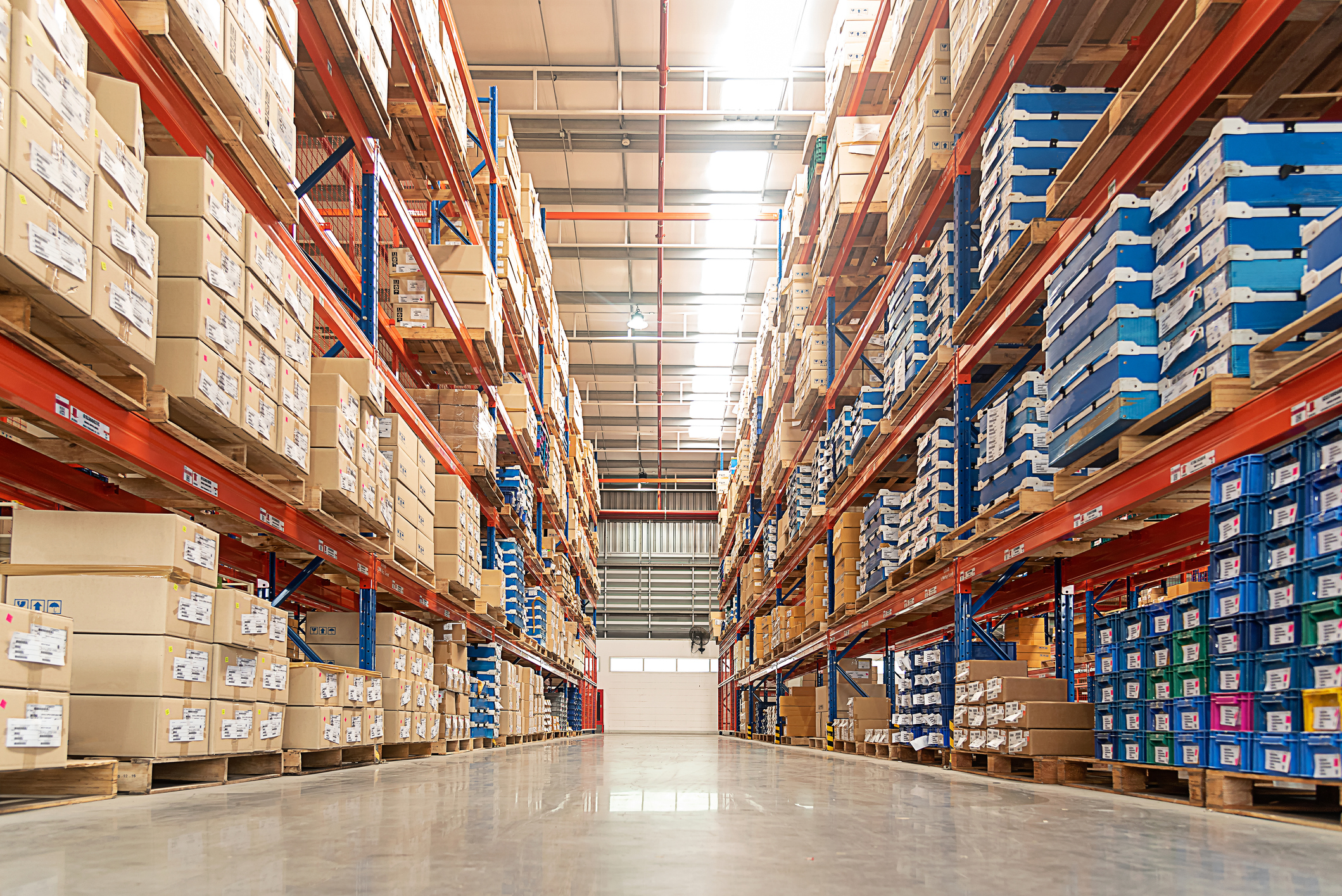
Industrial Shelving

Industrial Shelving

Storage systems designed for workshops, factories, and manufacturing facilities.

Archive Shelving

Archive Shelving

Longspan shelving used for storing files, documents, and boxed records.

Parts Storage Shelving

Parts Storage Shelving

Shelving designed for storing components, tools, and maintenance equipment.
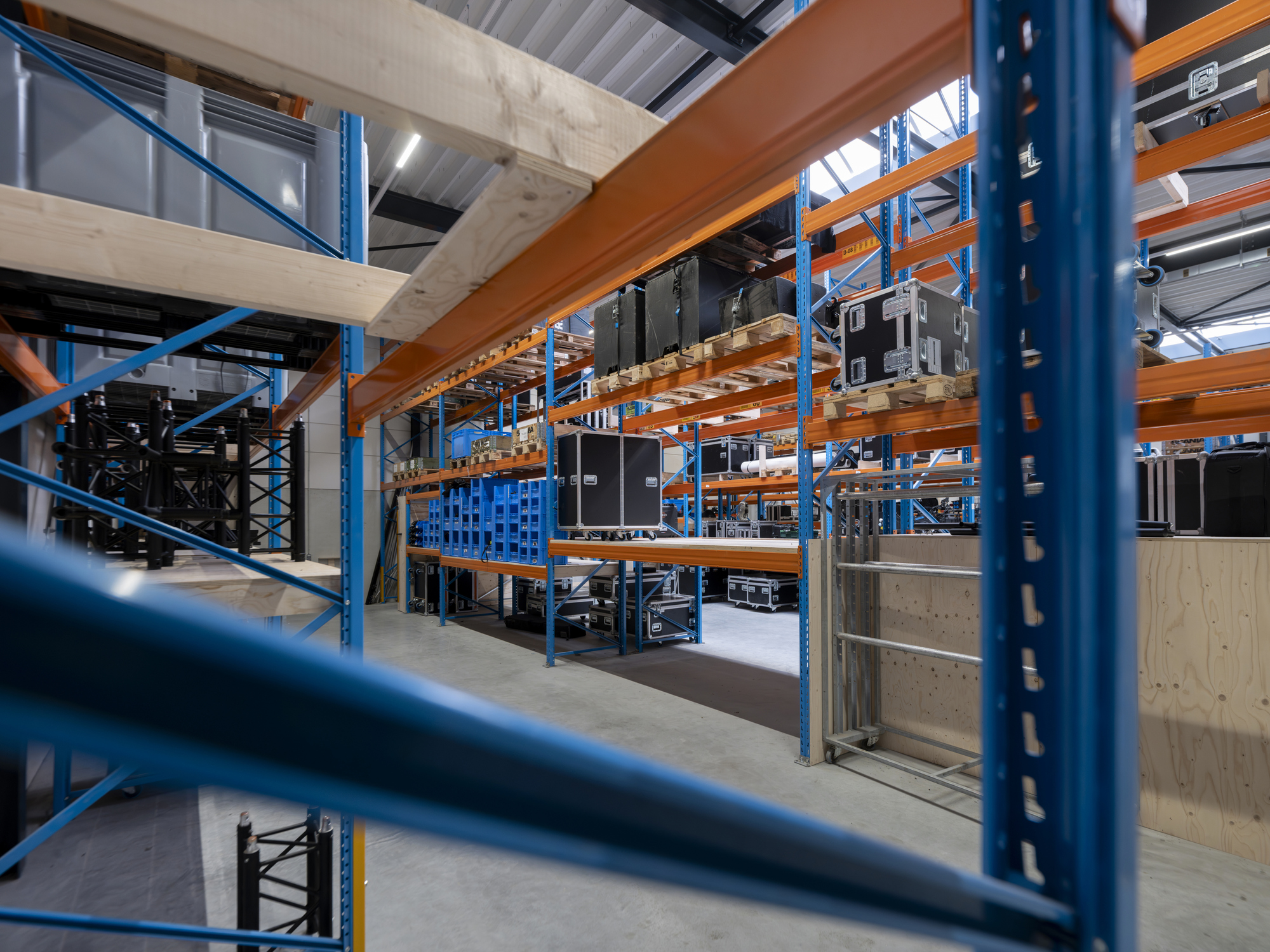
Multi-Level Shelving

Multi-Level Shelving

Large shelving installations used to maximise vertical storage space.
What Our Longspan Shelving Inspection Covers

Our inspection includes a complete assessment of your shelving system to identify damage, defects, and safety concerns.

1

Uprights & Frames

Inspection for bends, dents, corrosion, and structural damage.

2

Shelf Beams

Checking beam condition, deflection, and secure connections.

3

Shelving Levels

Assessment of shelves for damage, distortion, or signs of overloading.

4

Locking Devices & Connectors

Inspection of beam locks, connectors, and fixing components.

5

Bracing & Stability

Checking frame stability and structural alignment throughout the shelving system.

6

Load Notices

Verification that shelving load capacity information is available and accurate where required.

7

Overall Installation

Assessment of the shelving installation, alignment, and general condition.

8

Inspection Report

A detailed report including photographs, identified defects, risk assessments, and practical recommendations for maintaining safe shelving.

Testimonials

FAQs

Longspan shelving should be visually checked regularly and professionally inspected at appropriate intervals, particularly in busy warehouse environments where shelving is used daily.

The inspection covers uprights, shelf beams, shelving levels, locking devices, stability, load capacity, installation quality, and any visible damage or defects.

In many cases, damaged components can be replaced. The inspection report will identify whether repair or replacement is the safest option.

No. Most inspections can be carried out while normal activities continue, with minimal disruption to your business.

Longspan shelving is commonly used in warehouses, retail stockrooms, manufacturing facilities, workshops, logistics centres, healthcare storage, and distribution hubs.

Our independent SEMA Approved Rack Inspectors provide professional longspan shelving inspections across the UK, delivering clear reports and practical recommendations to help businesses maintain safe and reliable storage systems.

Racking Inspection Training Hoddesdon
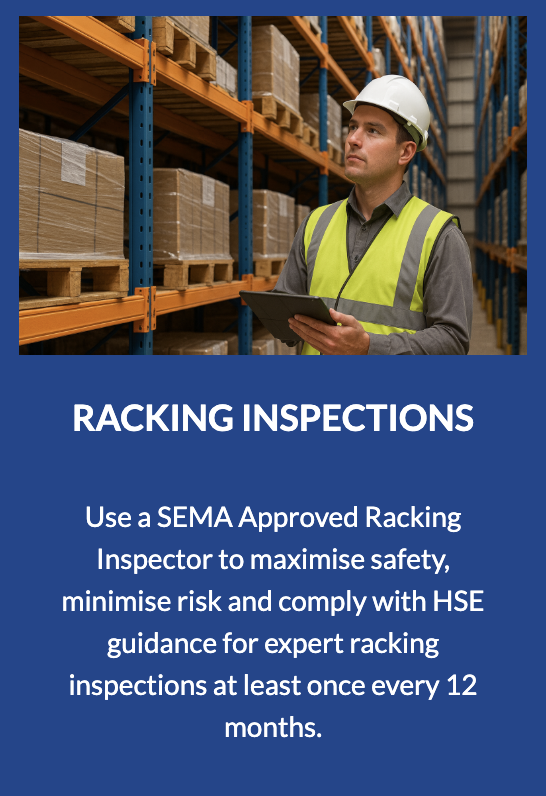
racking-inspections-tooltip
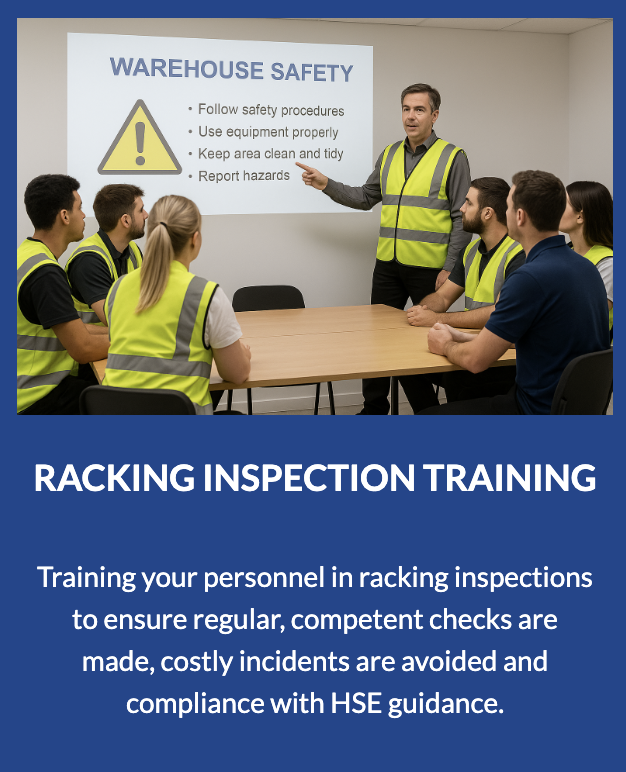
racking-inspection-training-tooltip
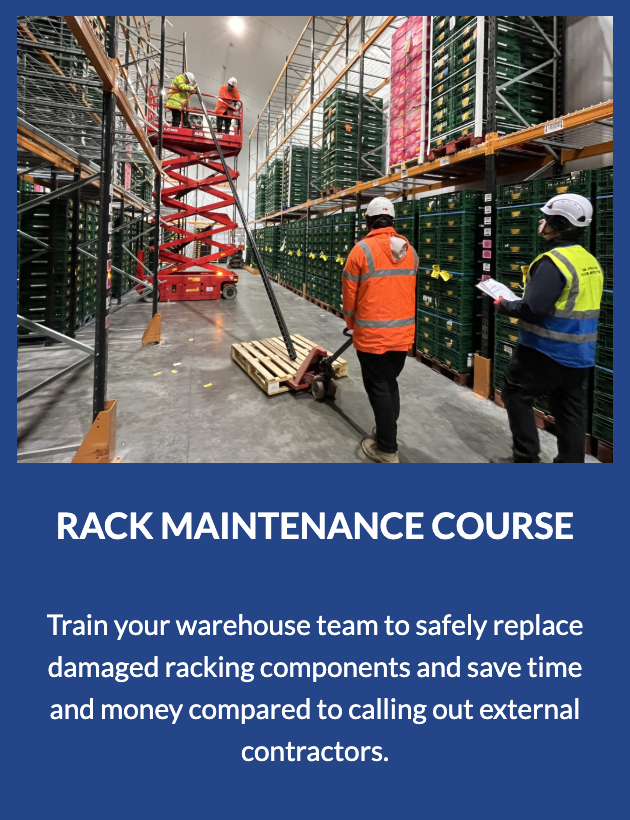
rack-maintenance-course-tooltip