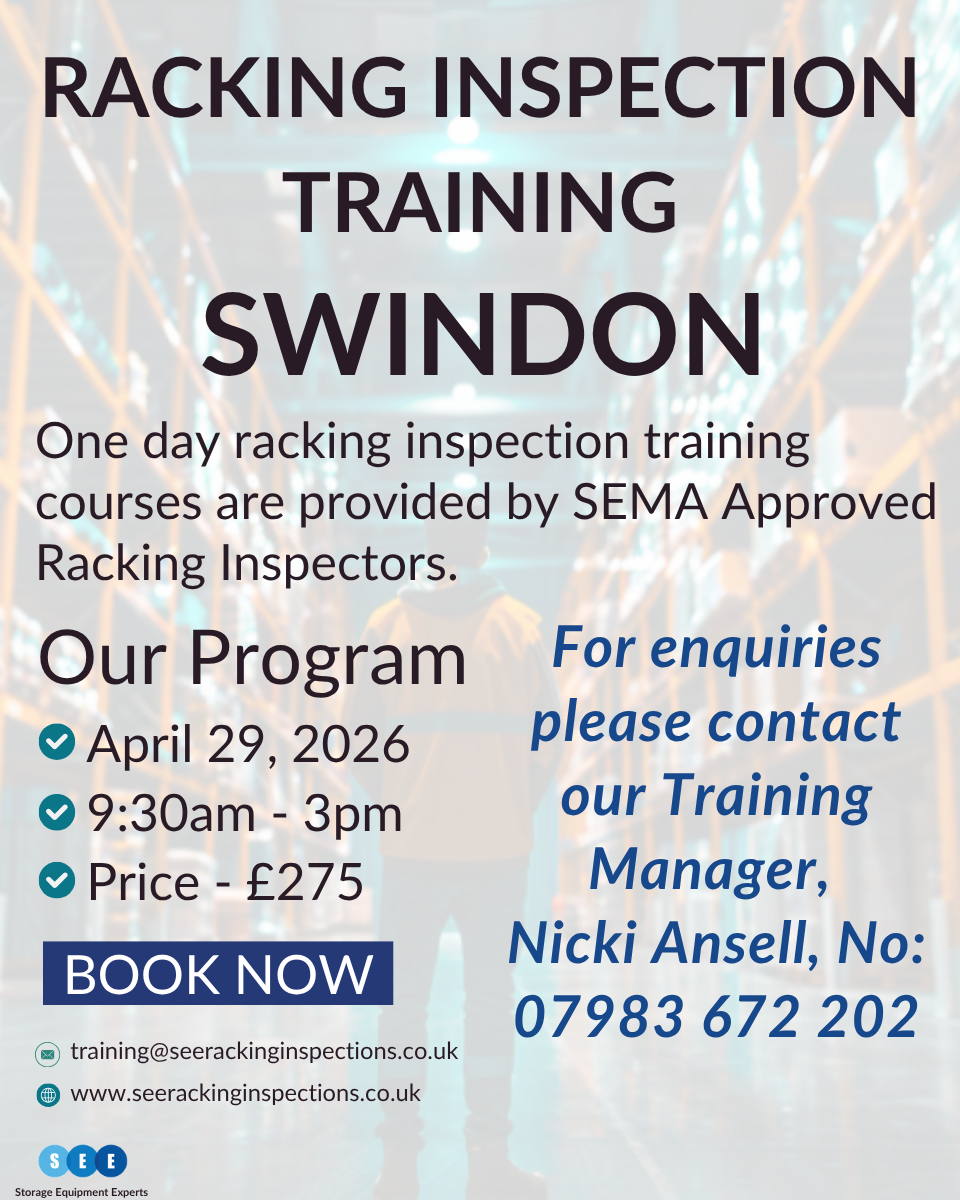

Of all the variables in the warehouse safety equation, the dependability of racking systems is arguably the most important. With these systems bearing the weight of tons of stock every day, damaged or incorrectly installed structures are a major safety risk.
To avoid these risks (and keep warehouses compliant with health and safety legislation such as PUWER 1998), two closely connected but separate professional groups—SARI inspectors and SEIRS installers—help create and maintain safe warehouse environments.
In this article, we’ll take a look at the responsibilities of each group, how they work together, and how SEE Racking Inspections can help keep your warehouse compliant, operational, and most importantly, safe.
Key takeaways:
- SARI inspectors identify hazards through detailed racking inspections, while SEIRS installers execute compliant repairs to racking systems according to SEMA standards.
- Legal compliance requires professional inspections beyond daily staff checks, making qualified SARI racking inspections essential for warehouse operators.
- SEMA endorsement establishes these qualifications as definitive standards for both inspection and repair work.
What is SEMA and Why Does it Matter?
The Storage Equipment Manufacturers Association (SEMA) is a private trade association and the primary authority on warehouse racking safety in the UK.
SEMA Codes of Practice are widely recognised as the definitive industry standard and are frequently referenced by the Health and Safety Executive (HSE). When HSE investigators examine workplace incidents, they consistently use SEMA codes as the benchmark for compliance assessment.
The association created two distinct certification programmes—SARI and SEIRS—to deliver professional competence in both inspection and installation processes in warehouses.
The fact that there are 2 separate groups is a telling indicator of the level of expertise required for each discipline. While your local repair shop might be able to both identify and fix any problems with your smartphone, things are very different when you’re talking about hundreds of tonnes of stock supported at height.
Sari and the Expert Eyes of Warehouse Safety
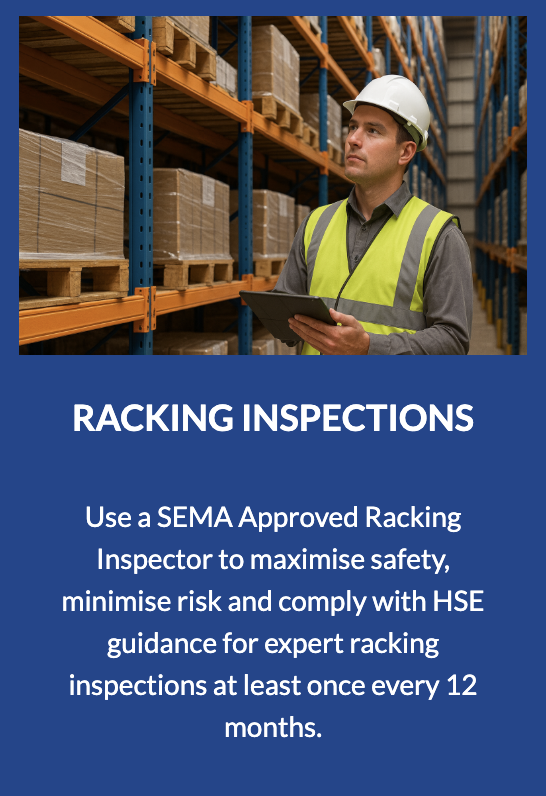
SEMA Approved Racking Inspectors (SARI) are specially trained professionals who conduct thorough inspections of pallet racking systems to identify potential safety concerns. Their expertise goes far beyond what any in-house maintenance team can reasonably be expected to provide.
They examine factors like structural damage, load compliance, anchor integrity, and installation quality, all against SEMA code standards. Using a traffic light system—green, amber, and red—SARIs help warehouse managers prioritise repairs. Green indicates minor issues that need monitoring, amber signals serious damage requiring quick attention, and red denotes critical damage needing immediate action.
Detailed racking inspection reports from SARIs document issues, provide evidence, and recommend specific remedial actions to ensure safety and compliance. You should conduct these inspections at least once a year, and high-traffic warehouses should schedule them even more frequently based on operational intensity.
Given the complex structural principles and standards involved, gaining a SARI certification means rigorous training and assessments to make sure only those with a thorough understanding qualify.
Importantly, SARIs operate independently, delivering unbiased assessments that focus on genuine safety concerns as opposed to any potential revenue opportunities. They’re about safety and compliance and nothing else.
SEIRS Installation Specialists
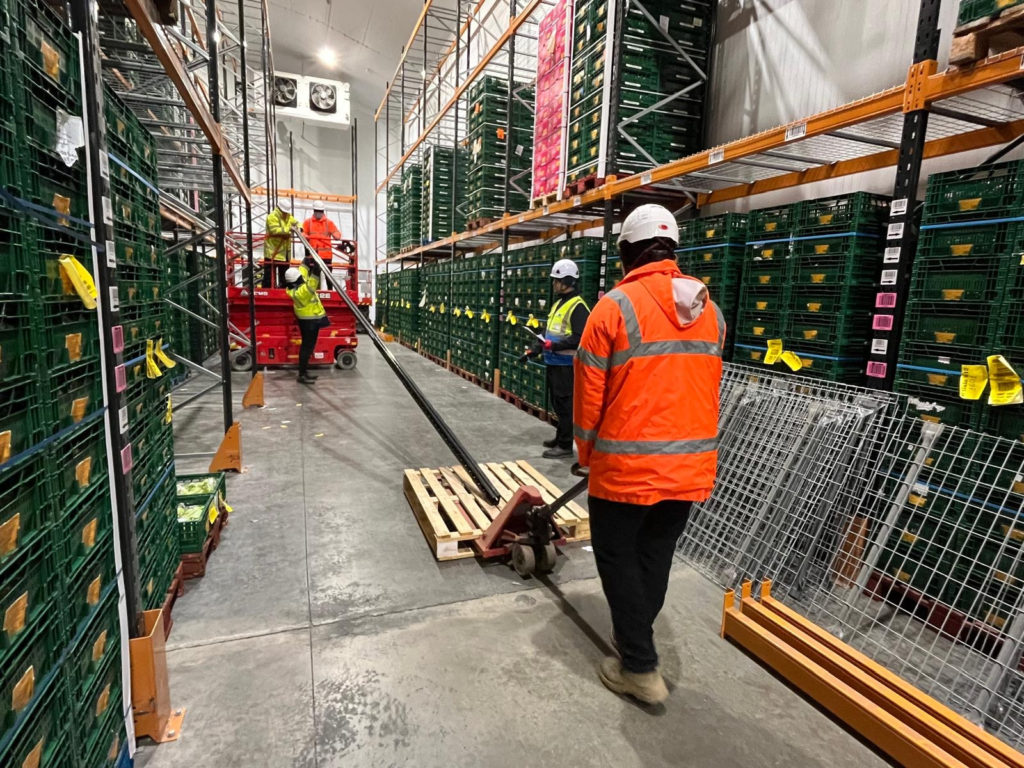
SEMA-approved installation companies use Storage Equipment Installers Registered Scheme (SEIRS) certified technicians—specialists in racking installation techniques. Unlike general contractors, they adhere precisely to manufacturer specifications, preventing any “questionable” or dangerous improvisation during repairs. SEIRS installers focus on using genuine components compatible with existing structures, avoiding hidden vulnerabilities from mismatched parts.
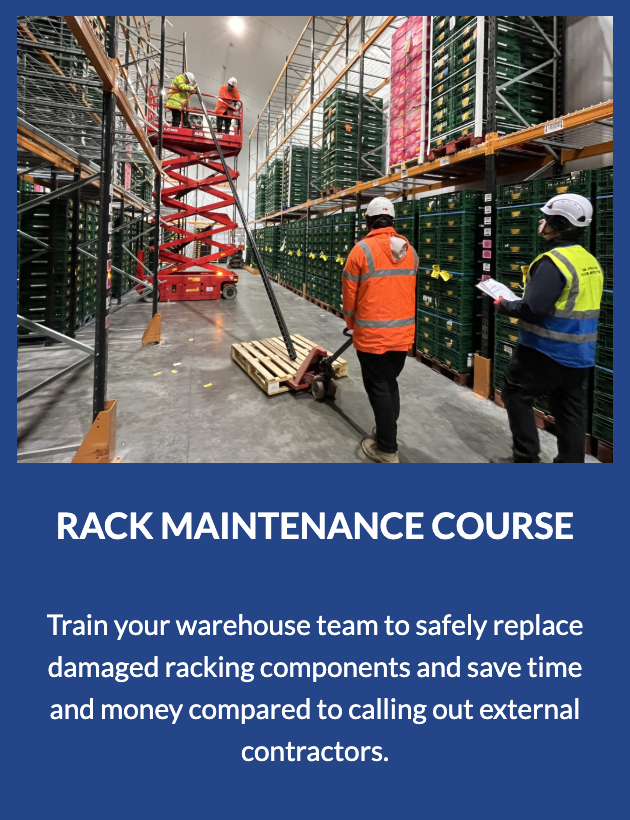
SEIRS teams follow precise, SEMA-approved methodologies for dismantling, repairing, and reassembling racking to maintain structural integrity. Using specialised tools and access equipment, they deliver safe, efficient installations with minimal operational disruption.
As with SARI inspectors, gaining SEIRS qualifications involves in-depth training, testing, and regular renewal to keep up with changing safety standards.
How They Work Together
The safety maintenance cycle typically begins with SARI inspectors conducting thorough assessments to identify and document types and locations of racking system issues. This establishes a factual foundation for any subsequent decisions.
Once issues are identified, warehouse managers receive prioritised recommendations, distinguishing between urgent problems and those that can wait. It’s a process that considers both structural urgency and operational reality.
SEIRS-qualified installers then review the inspection reports to develop remediation plans, ensuring repairs address immediate concerns, underlying issues, and compliance needs—with the report acting as their technical guide, eliminating guesswork.
A follow-up SARI inspection then verifies compliance by checking all remedial works have been completed correctly which completes a cycle of continuous safety improvement a closed-loop system of accountability, where hazards are identified, rectified, and verified.
Central to all this is avoiding any conflicts of interest. The SARI report allows warehouse managers to obtain accurate quotes from different SEIRS-qualified companies, so objective comparisons and decisions can be made independently.
The Business Case for Certified Professionals
Using certified SEMA-approved professionals is a sound financial and legal strategy for businesses, and not just a compliance burden.
The financial consequences of racking failures, including large-scale stock damage, operational downtime, and potential legal liability, far outweigh the investment in professional safety management. A single major collapse can generate losses that dwarf years of inspection and maintenance costs.
When it comes to smaller structural issues, SARI inspectors help businesses identify and address these issues early on, preventing expensive repairs or replacements. The fact of the matter is, damage to racking components and other issues will reduce the strength of the racking system and can even deteriorate until intervention becomes unavoidable.
What’s more, the insurance industry recognizes that professional safety management directly correlates with reduced claim frequency and severity. As a result, insurance providers often require documentation of regular SARI inspections and SEIRS-compliant repairs to maintain insurance coverage.
Perhaps most importantly, using qualified personnel demonstrates due diligence. Health and Safety Executive (HSE) investigations following workplace incidents closely examine whether facilities maintained proper inspection and repair protocols using qualified professionals.
A documented history of regular SARI inspections and subsequent SEIRS repairs provides compelling evidence of responsible management, which can significantly reduce liability in the event of an accident.
How SEE Racking Inspections Can Help
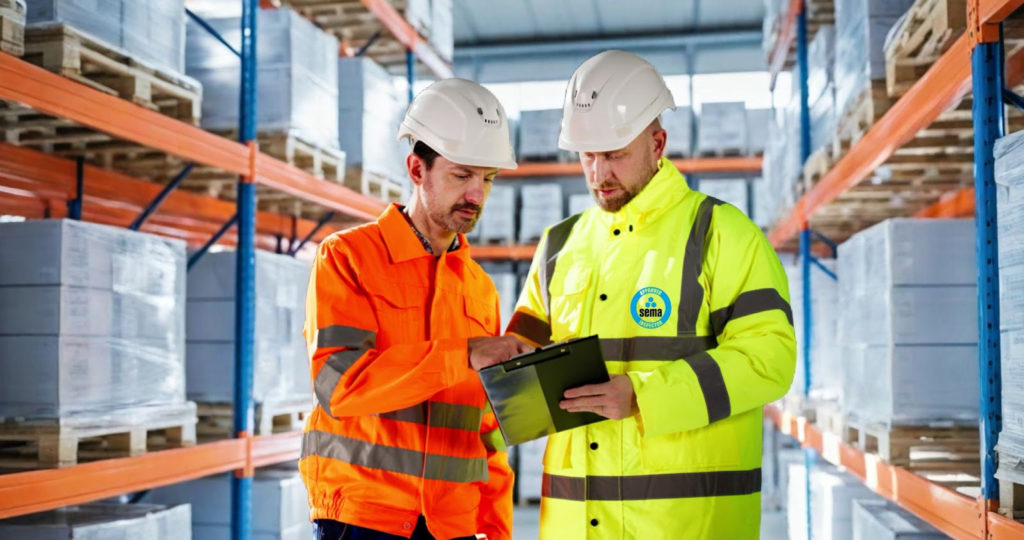
At SEE Racking Inspections, we provide comprehensive, SARI-certified assessment services with detailed reporting that clearly identifies all safety concerns according to SEMA guidelines and risk levels.
As SARI-qualified experts with no commercial interest in repair work, we deliver the technical precision and objectivity that warehouse managers need. Our detailed reports identify issues, explain the risks involved, and allow you to prioritise repairs based on SEMA’s traffic light system.
The technical detail we provide eliminates ambiguity, allowing for accurate quotations and guaranteeing that SEIRS-qualified installers have the precise documentation needed to carry out SEMA-compliant remedial work efficiently and effectively. Addressing root causes rather than just treating symptoms, we provide the in-depth analysis needed to keep your warehouse safe, compliant and profitable.
Contact SEE Racking Inspections and get expert insight you can count on.