
Pallet Racking Identifier
Know Your Racking, Ensure Your Safety
Learn the different types of pallet racking systems with our comprehensive guide. Enhance your safety knowledge.
SEMA Approved
Racking Inspectors
30+ Years
Industry Experience
UK & Ireland
Wide Coverage
Trusted by 1000+
Businesses
Why Identifying Pallet Racking Matters for Safety
When organising a racking inspection, whether it is from a SEMA approved racking inspector or from your company’s nominated Person Responsible for Racking Safety (PRRS), it is important that you know your pallet racking.
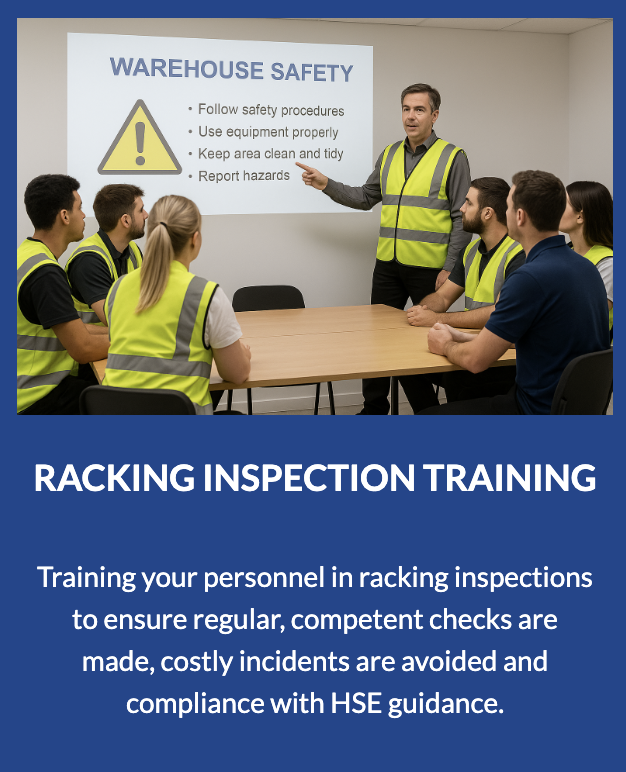
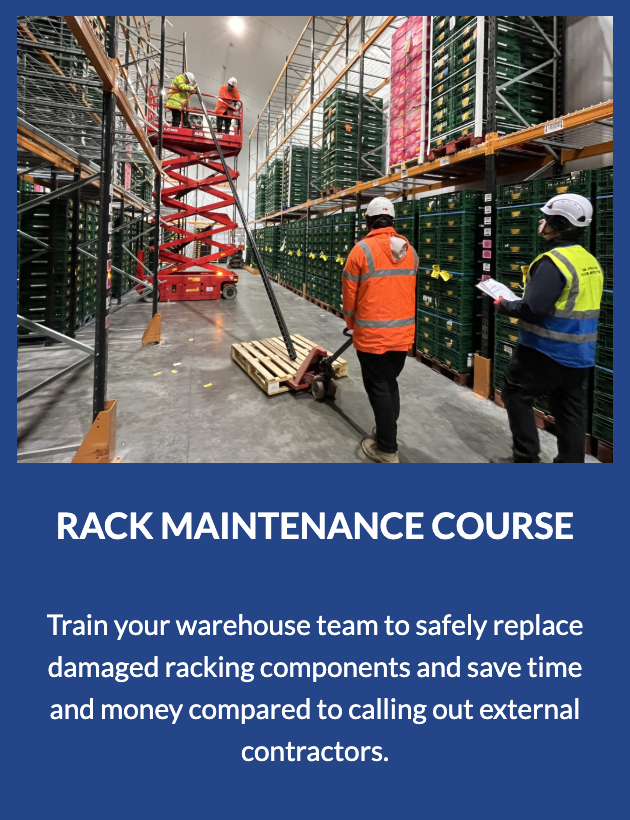
At Storage Equipment Experts, we have been providing racking inspection services throughout the whole of the UK & Ireland for years. As a result, we believe that anybody who works in the warehousing industry should be well versed in racking inspection safety and racking knowledge. Storage Equipment Experts offer rack safety awareness and rack maintenance courses delivered by SEMA approved racking inspectors. Please refer to our pallet racking identifier.
This identifier can be used for your own personal use, for when you want to explain racking damage to an expert in detail, or just for you to expand your knowledge of racking. It is a quick and easy way to learn the difference between different types of pallet racking and different pallet racking systems.
Knowing your different kinds of pallet racking is important because it avoids misuse. We at Storage Equipment Experts believe very strongly that pallet racking should never be used beyond its limits. One of the most common mistakes, and most tragic mistakes, businesses make is overestimating the strength of their racking. It is easy to believe that, because you have been using the racking for years, that you know best how to use it.
Of course, this is a dangerous trap to fall into. After all, “if your racking provider was confident that your racking could take more weight, then they would have said this when selling it to you. No racking designer or provider is going to undersell their product.”
From our many years working throughout the UK & Ireland, we at Storage Equipment Experts have been proud to deliver a high quality racking inspection service. We believe in safety and we hope that this pallet racking identifier will help you to be safe as well. Still, if you have any doubts about your racking, or are unsure in any way, contact Storage Equipment Experts for a specialist’s opinion from one of our SEMA approved racking inspectors.
Identify the manufacturer and product name of your racking and shelving systems
There are hundreds of different pallet racking and shelving systems in use across the UK and Europe, far too many to display on a single page of our website.

To give you the best possible chance of identifying the manufacturer of your racking and shelving systems, we recommend visiting the Racking Spares Racking Identifier Page, which is widely recognised as the largest online library of pallet racking manufacturers and shelving systems.
Click here to visit Racking Spares: https://www.rackingspares.co.uk/racking-identifier
This extensive resource includes detailed images and information covering a vast range of racking types, helping you identify even older or less common systems with confidence. In addition to identification support, Racking Spares also supply replacement components, including beam safety locking pins for most racking and shelving systems, making it a valuable next step once your system has been identified.
Explore Common Racking Systems
Use our identifier to recognise and understand the most common racking types.
Adjustable Pallet Racking
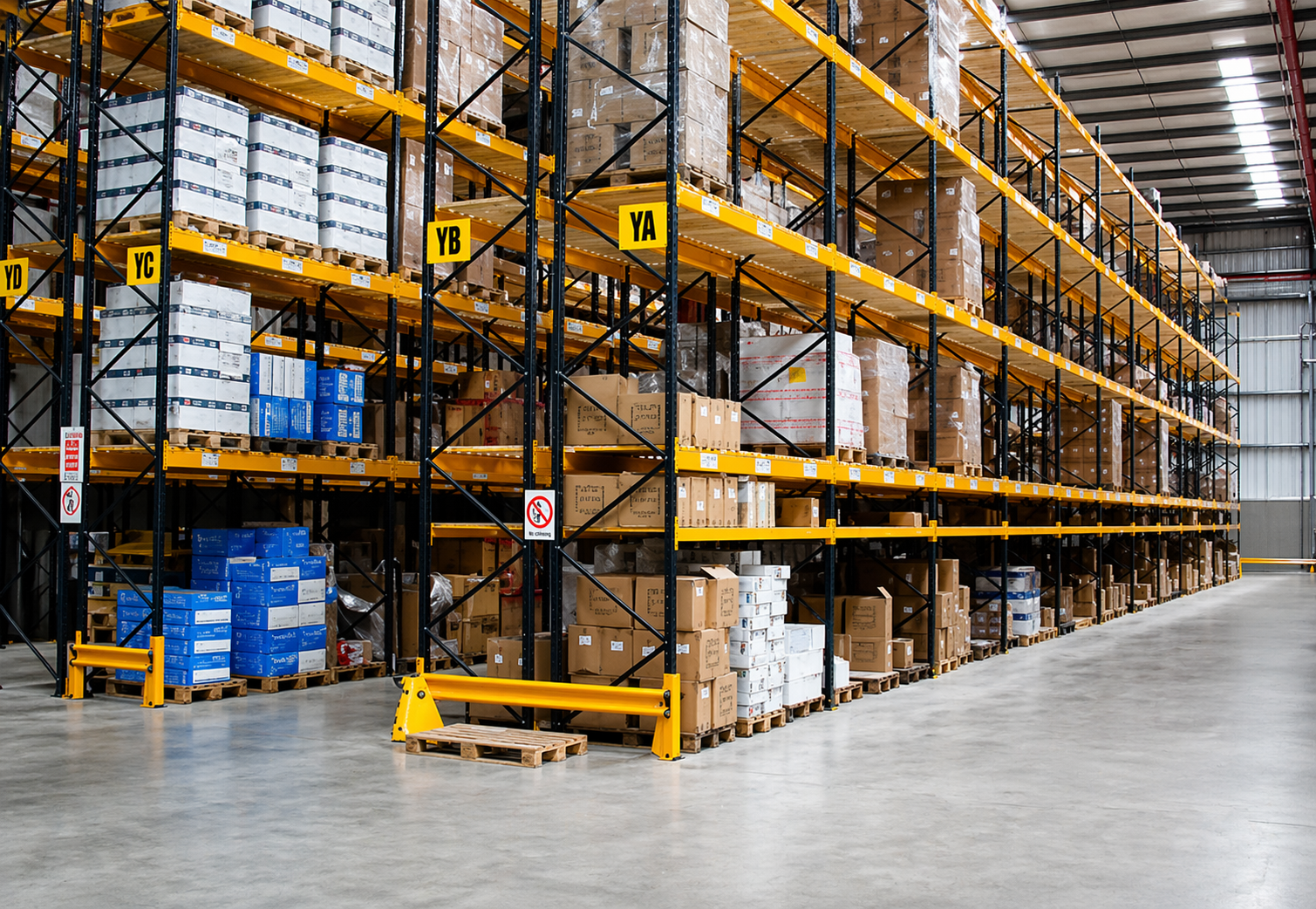
The most versatile racking solution for all warehouse applications.
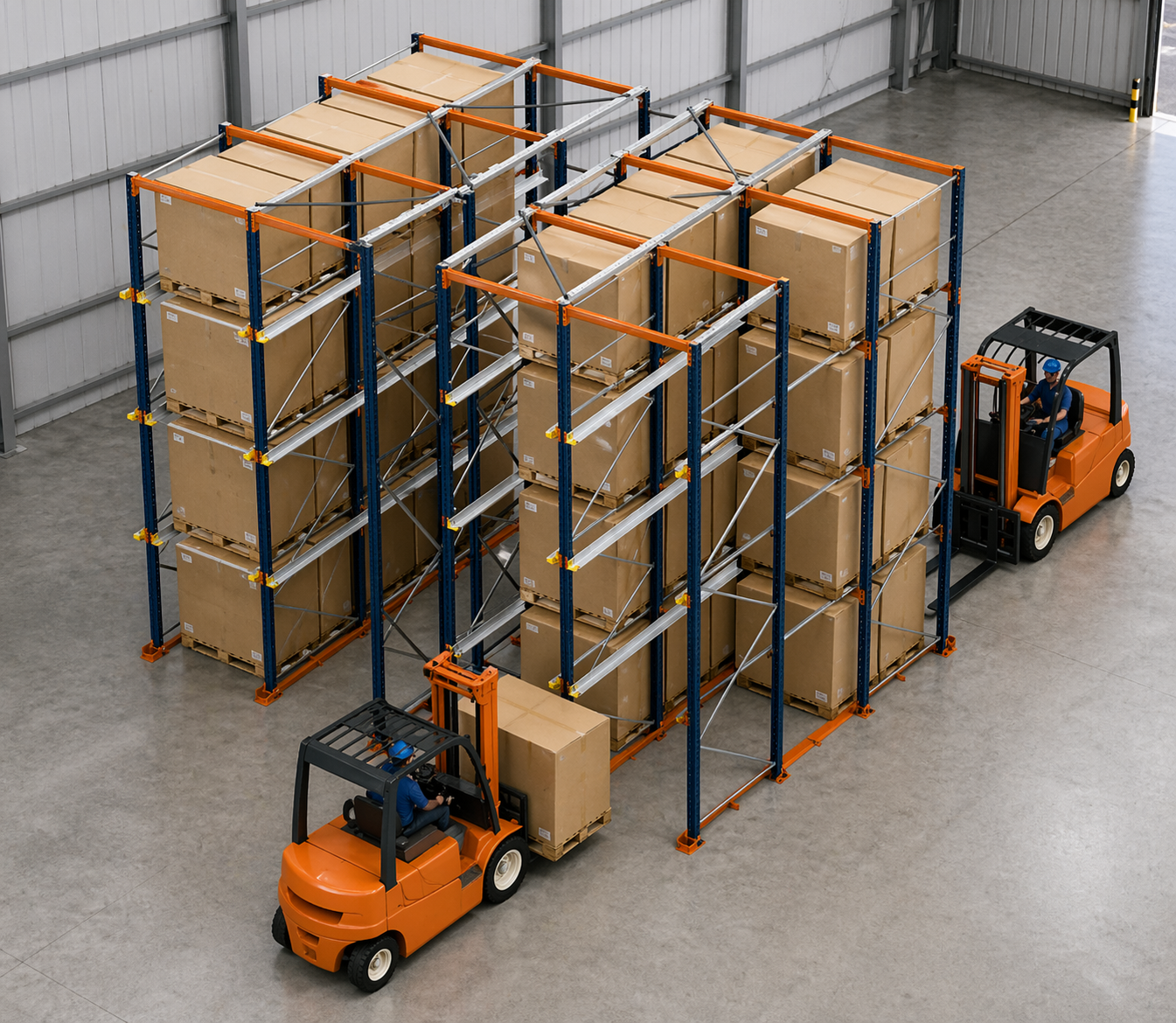
Drive-In Pallet Racking
High-density storage with fewer aisles for maximum space utilisation.
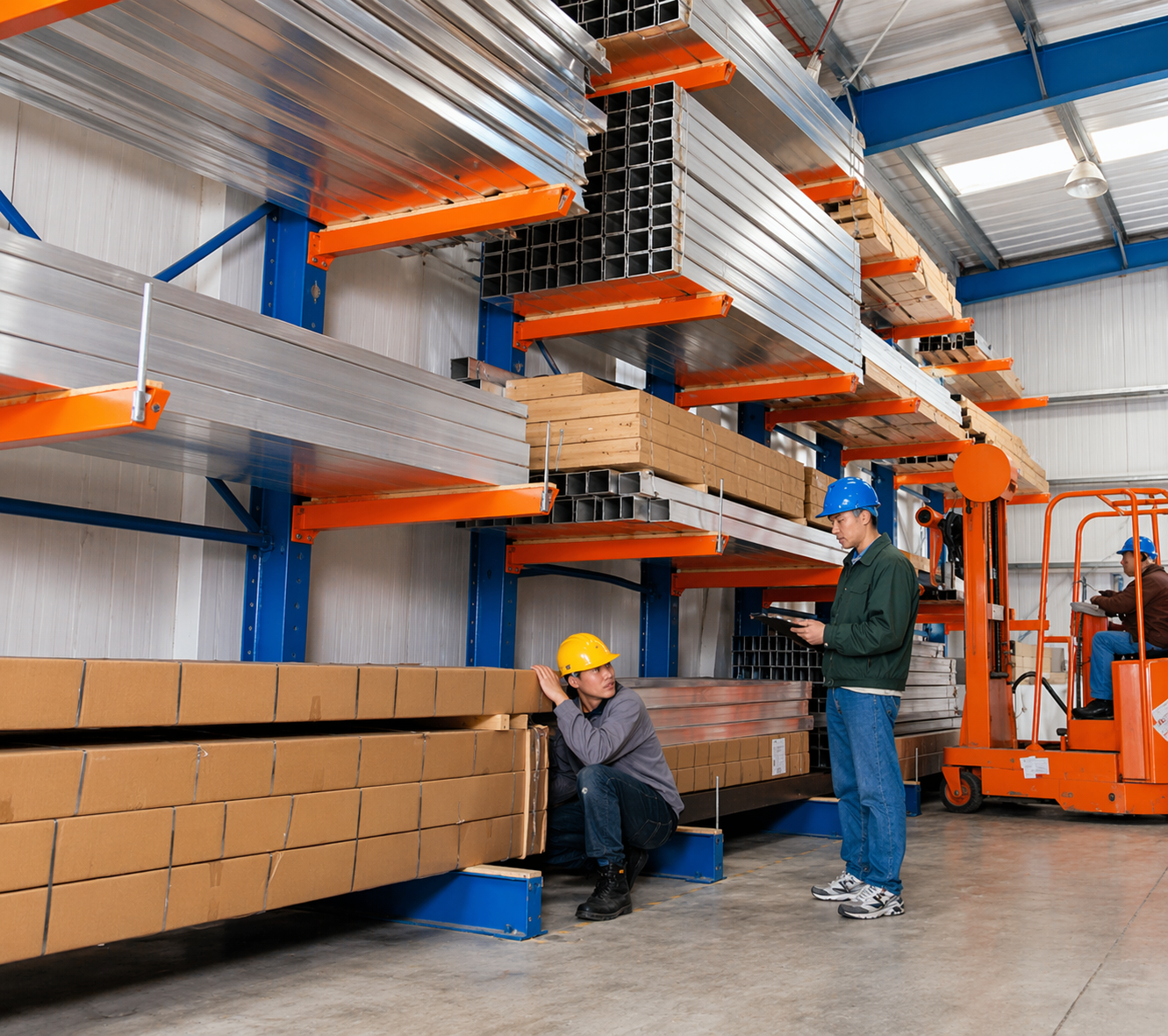
Cantilever Racking
Ideal for storing long, bulky or awkward items.
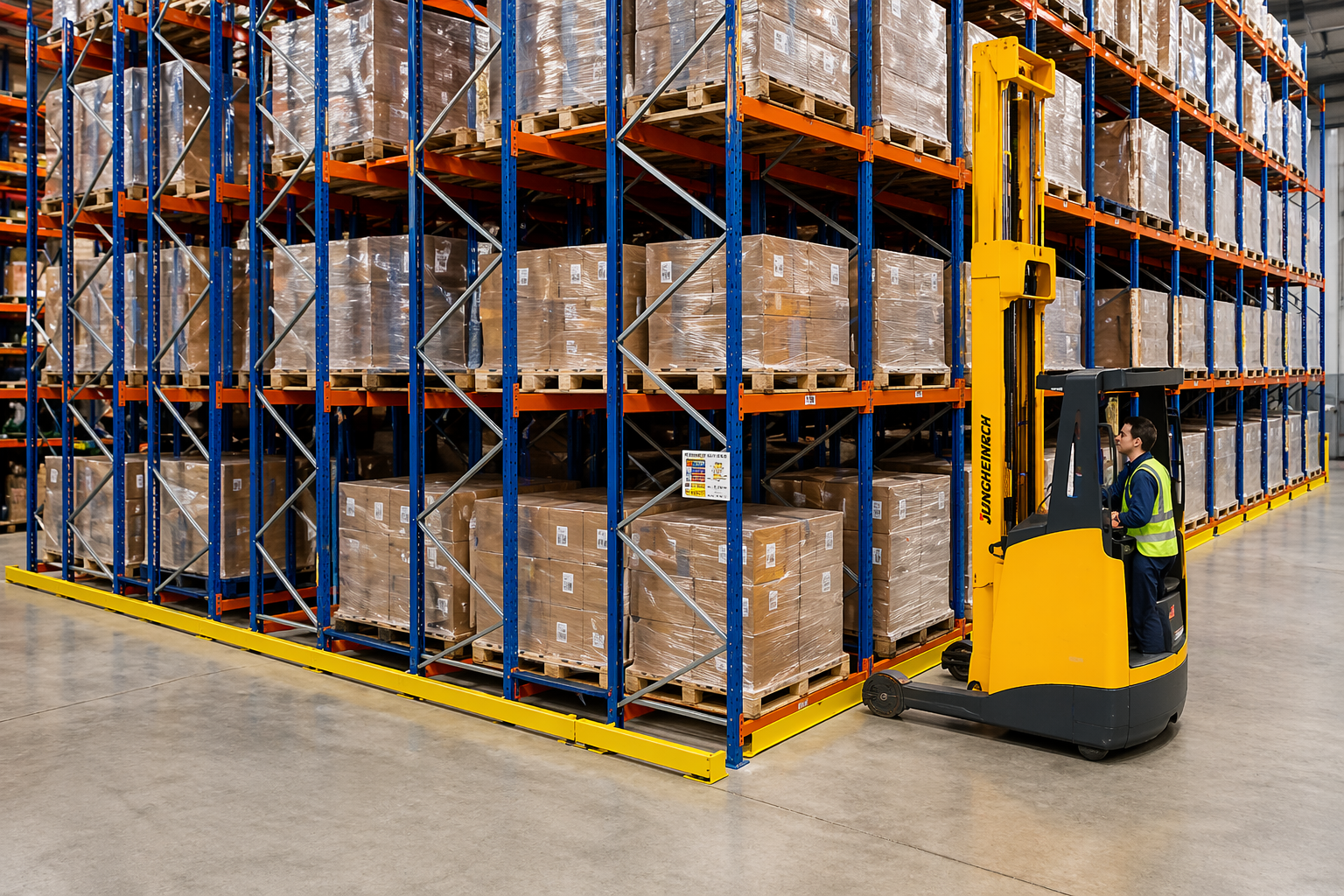
Push Back Racking
High-density system with multiple pallet depths.
Why Use a Racking Identifier?
Using a Pallet Racking Identifier can help warehouse operators, managers, and safety professionals to quickly recognise the type of racking they are using.
The above images and descriptions of common racking systems can help when you are:
- Communicating with inspectors, suppliers, and industry professionals
- Learning the correct industry terminology
- Distinguishing between different racking designs and configurations
- Describing issues such as damage or missing components
This is particularly useful during inspections, maintenance planning, or when reporting damage, where clear identification can save time and prevent costly mistakes.
Need Help Identifying Your Racking?
If you have any doubts about your racking or would like confirmation from an expert, our team is here to help.
Contact Storage Equipment Experts today to speak with a qualified specialist and ensure your racking system is safe, compliant, and fit for purpose.

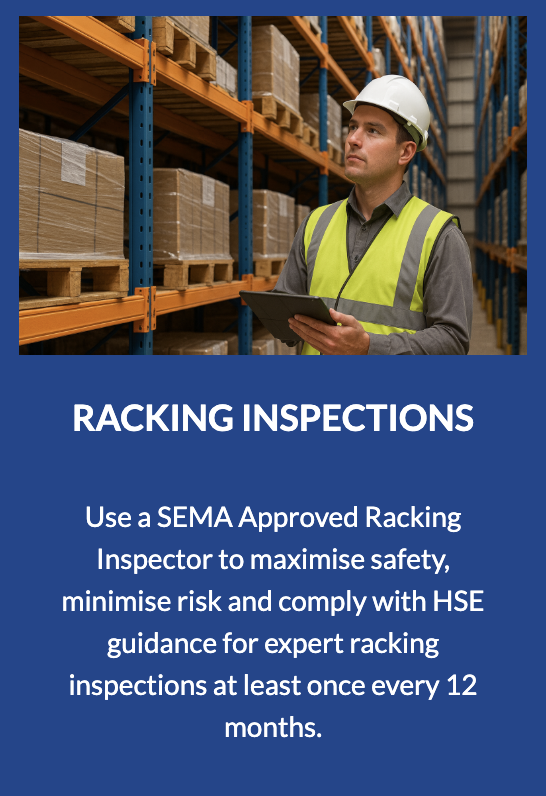
SEMA Approved Racking Inspectors
Our SEMA-certified inspectors provide independent, professional racking inspections across the UK & Ireland, ensuring your systems are safe, compliant and fit for use.
Certified Professionals
Highly trained and experienced
Detailed Reports
Clear findings and actionable advice
Safety Compliance
Aligned with SEMA & HSE standards
Ensure Your Racking Is Safe & Compliant!
Google Reviews
-
Perry hosted an amazing racking inspection session was very engaging and educational can't wait for the maintenance course
Harsimran Talwar
February 2, 2026Very informative racking inspection course by perry lamprell
Luke Koener
January 15, 2026The course provided good, useful information.
释静宁
February 19, 2026 -
Good course. A lot more information about racking than anticipated
Kellaway-PT
March 3, 2026This course was very informative and was extremely well presented. Would definitely recommend.
sy ellis
March 19, 2026Really engaging and interesting training. Has given me lots of confidence in an area I am inexperienced in. Highly recommend
greg shepherd
February 2, 2026 -
Learned a lot of things that I didn't think of, instructor was very good with learning and a bit of a laugh as well
Andrew Ewan
January 15, 2026enjoyed the couse . well delivered considering there is alot of content
Victor Mcgregor
February 12, 2026Verry informative
John Mason
March 19, 2026
Frequently Asked Questions
A pallet racking identifier is a guide used to recognise different types of pallet racking systems and their key components. It helps warehouse managers, safety officers, and operators correctly identify racking structures to ensure safe usage, compliance with regulations, and proper load management.
Correctly identifying pallet racking helps prevent overloading, structural damage, and accidents. Each racking system has specific weight limits and design features. Using the wrong configuration can lead to safety risks, product damage, or costly downtime.
A pallet racking identifier is useful for:
- Warehouse managers
- Health & safety officers
- PRRS (Person Responsible for Racking Safety)
- Logistics companies
- Facility managers
- Forklift operators
Anyone responsible for warehouse safety or storage systems can benefit from understanding racking types.
Yes. Incorrect identification may result in misuse of the racking system, such as exceeding load limits or storing unsuitable products. This can increase the risk of structural failure, product damage, or workplace accidents.
Yes. Each racking type is designed with specific load capacities depending on its structure and materials. Overloading beyond manufacturer limits can cause beam deflection or structural collapse.
Yes. Understanding racking types helps ensure proper loading, correct pallet placement, and compliance with safety guidelines. This significantly reduces the risk of collapses, injuries, and operational disruptions.
If you are unsure about your racking type or safety condition, you should contact a professional racking inspection company. Expert inspectors can identify your system, assess damage, and provide recommendations to ensure compliance and safety.
According to industry best practice, pallet racking should be visually inspected regularly by the PRRS and professionally inspected at least once per year by a qualified racking inspector.