
The modern warehouse safety is an impressive combination of high-speed logistics and heavy-duty storage. It’s exactly this combination, however, that makes them such potentially dangerous places to work in. One minor oversight – a bent upright, a forgotten spill or a forklift operator in a rush – and the consequences can be disastrous.
In this guide, we’ll walk you through the essentials of warehouse safety to keep your staff, your inventory and your business on secure ground.
Key Takeaways
- Prioritise structural integrity: Conduct regular racking inspections to identify bent racking components, missing beam locks, or corrosion. Never attempt “DIY” repairs such as welding or drilling, as these compromise the steel’s tempered strength.
- Enforce strict loading protocols: Ensure accurate load notices are clearly displayed and adhered to and make sure that good quality pallets of the correct size and type, are fully supported by both the front and rear beams with equal overhang to suit. Maintain the 75 mm clearance between pallets and the racking to reduce risk of contactwhen storing or retrieving pallets from the system.
- Segregate traffic flows: Keep pedestrian areas clearly marked and separated from forklift traffic. Ensure all staff make eye contact and signal their intentions before entering shared zones or crossing paths with machinery.
- Focus on training: Only certified and authorised personnel should operate mechanical equipment. Encourage a culture where staff report near misses and damaged equipment immediately so that action can be taken where necessary and to prevent future accidents.
- Maintain an “Aisles Clear” policy: Allaisles and emergency exits should be kept entirely clear of obstructions. Never store pallets or items in marked walkways, as these are primary hazards for trips and blocked evacuations.
The Foundations: General Warehouse Safety Principles
The moment a staff member steps onto the site, Personal Protective Equipment (PPE) is the first line of defence, with high-visibility clothing, safety shoes, and hard hats, the uniform of the warehouse professional. In these environments, being seen is just as important as keeping your eyes on the job.
Beyond gear, the physical layout of the warehouse dictates the flow of risk. Aisles and exits need to remain clear at all times. While it’s tempting to temporarily store a pallet in a walkway during a busy shift, these obstructions are the primary cause of trips, falls and blocked emergency exits. If it’s a marked walkway, it stays empty, that’s all there is to it.
Finally, communication is the glue that holds a safe shift together. This means reporting damaged equipment, racking impacts or liquid spills immediately. A near miss today might be an accident tomorrow if it isn’t documented and rectified properly.
Pallet Racking Systems
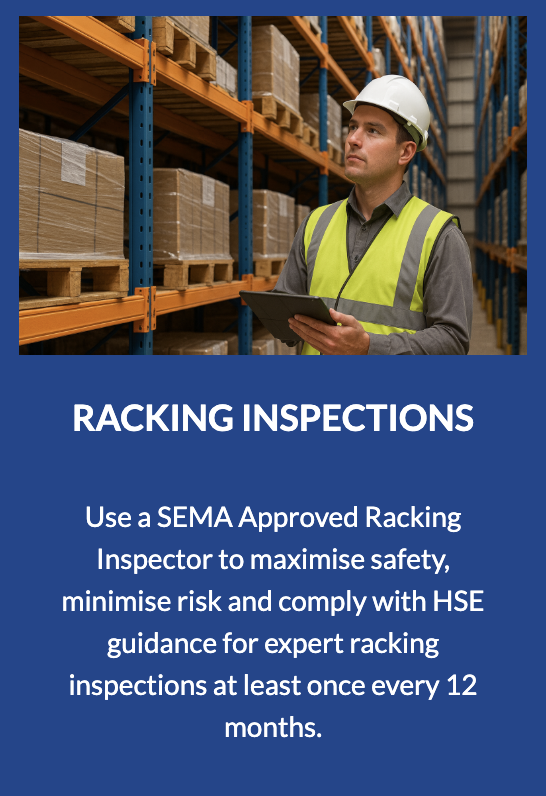
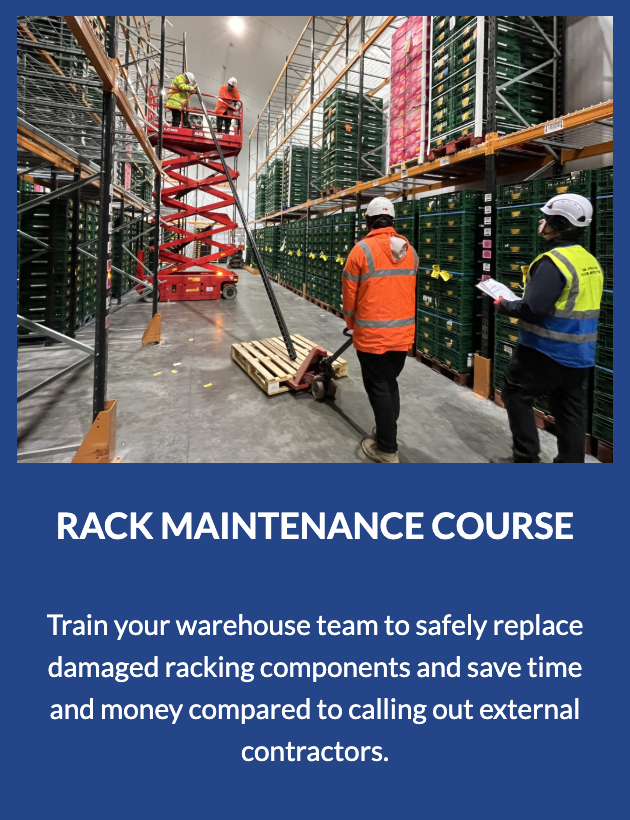
Your racking system bears the weight of your entire stock, and even minor damage can have a catastrophic result. Regular inspection and maintenance is the key here, with a few key areas that staff should be on the lookout for:
Bent uprights: Even a slight deflection significantly reduces the load-bearing capacity.
Missing beam locks: These tiny components help to prevent beams from being accidentally dislodged by a forklift.
Corrosion: Rust eats away at structural integrity over time.
Damaged pallets: A splintered or cracked pallet is an accident waiting to happen.
One of the most important aspects of warehouse racking safety is never attempting a DIY fix on your racking. Welding or drilling into racking components compromises the steel’s strength. If it’s damaged, replace it immediately with manufacturer-approved parts.
The Rules of Loading
Every racking system has Load Notices – brightly coloured signs that dictate the maximum weight per level and per bay. No matter how skilled or confident you may be, exceeding these limits is a gamble you’ll eventually lose.
When it comes to placing a pallet, make sure it’s in good condition and is the correct size and type and fully supported by both the front and rear beams. In addition to this, always keep at least 75 mm of clearance above and to the sides of a pallet to prevent snagging during extraction.
Forklift Operation
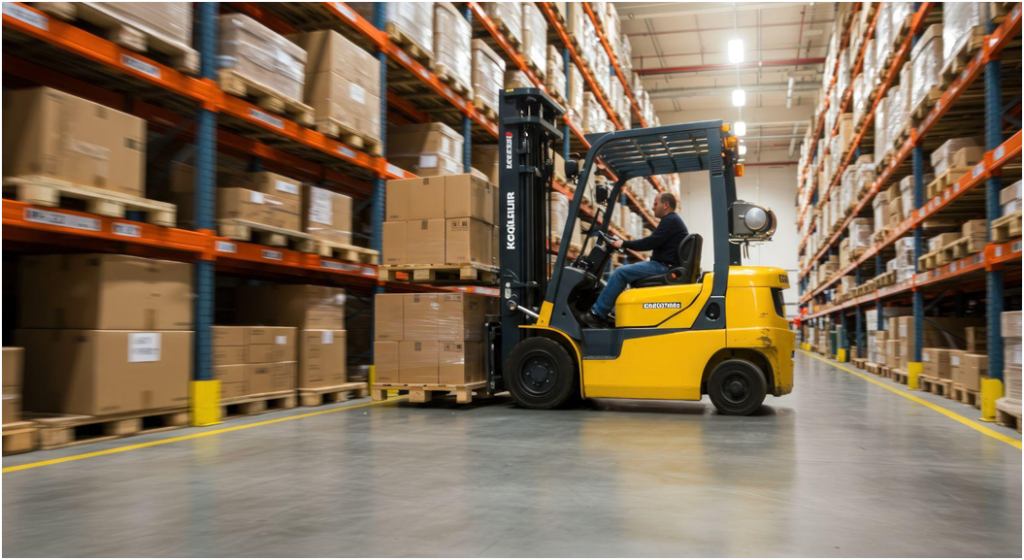
The forklift may be the workhorse of the warehouse, but without strict discipline, it’s a multi-tonne hazard. Forklift operations need to be exclusively restricted to authorised personnel.
A professional operator starts every shift with a rigorous pre-use checklist:
- The steering & brakes: Ensuring responsive control before entering high-traffic zones.
- Hydraulic systems: Testing the lift and tilt mechanisms for smooth, leak-free operation.
- The capacity plate: Confirming the machine’s limits. If a load is too heavy or the centre of gravity is too far forward, you don’t “give it a go” – you find a bigger vehicle.
- Tyre & fork condition: Checking for wear or cracks that could lead to failure under load.
When working around racking, the mantra is “Square and Slow.” Approaching a rack at an angle or at speed increases the risk of the mast or the load clipping the beams. To add an additional layer of defence, warehouses should invest in physical protection for the most exposed areas of their racking systems:
Upright guards: Steel floor fixed guards that shield the most vulnerable part of the frame from low-level impacts.
End frame barriers: Heavy-duty rails that protect the entire end of a racking run from cornering forklifts.
Spending a relatively small amount on these guards helps you protect the structural integrity of the entire racking system, preventing a minor steering error from becoming a costly insurance claim or a catastrophic collapse.
Staff Responsibilities During Loading/Unloading
Safety is everyone’s responsibility, not just the forklift driver’s.
Communication: Never assume a driver has seen you just because you can see them. Make eye contact with them and signal your intentions before entering shared zones.
No-go zones: Never stand under a raised load or put yourself in a pinch point between a forklift and the racking.
Manual handling: For the items that aren’t on pallets, remember to bend your knees, not your back. Your spine isn’t a crane.
Closing the safety loop: Reporting unsafe behaviour or near misses immediately creates a feedback loop that identifies hazards before they result in an injury.
Preparing for the Unexpected: Emergency Procedures
Even the safest warehouses need to be ready for worst-case scenarios. In the event of an emergency, proper documentation and training are vital – and stop panic from taking over. Every member of the team should know the location of:
- First aid kits.
- Fire extinguishers (and which type to use for different fires).
- Emergency assembly points and exits.
Should a racking system collapse, evacuate the area immediately. Most importantly, don’t attempt to stabilise the rack yourself. Alert a supervisor, cordon off the zone and call in experts to assess the damage.
How SEE Racking Inspections Can Help

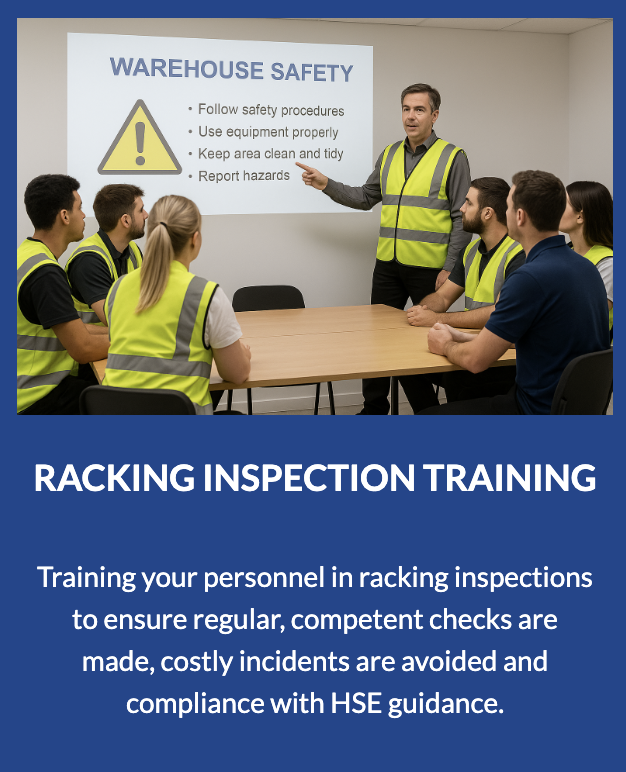
Operating a safe warehouse may be a major responsibility, but it’s not one you have to shoulder alone. At SEE Racking Inspections, we specialise in providing independent, SEMA-approved racking inspectors and safety training across the UK. Whether you need a mandatory annual SEMA racking inspection, an interim safety check or professional training for your staff to conduct their own weekly inspections, we’re here to help.
| Warehouse Safety Guide For a concise breakdown of safety best practices, download our Warehouse Safety Guide for free here. For more information, get in touch with SEE Racking Inspections and keep your warehouse safe and compliant. |